Luxembourg, European capital
Get familiar with the European vocation of the city of Luxembourg!
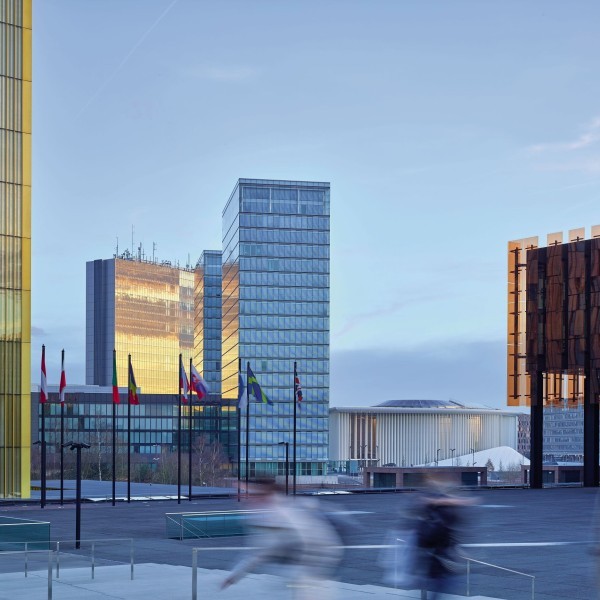
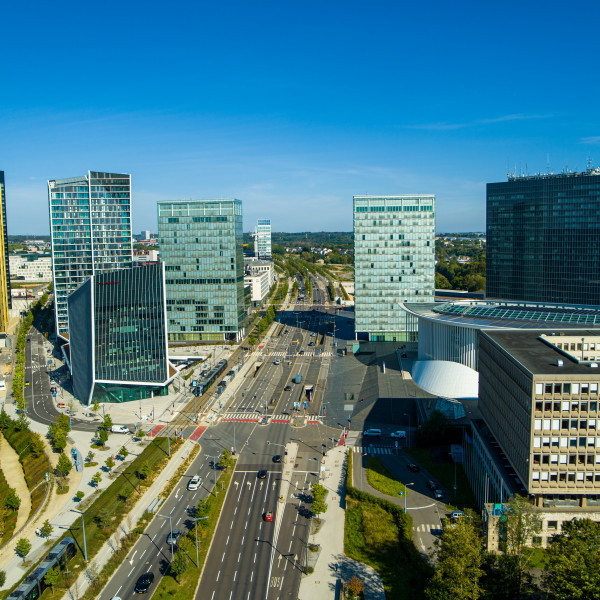
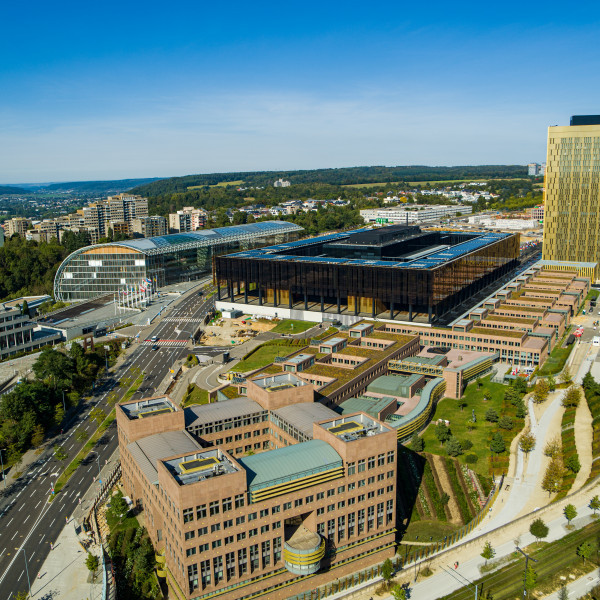
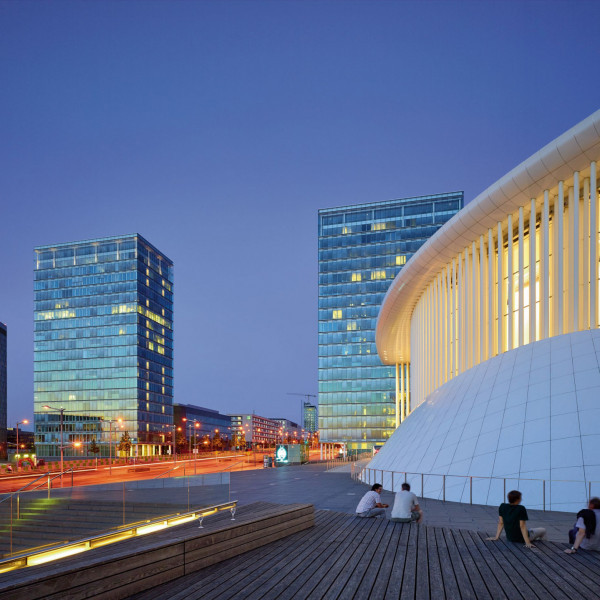
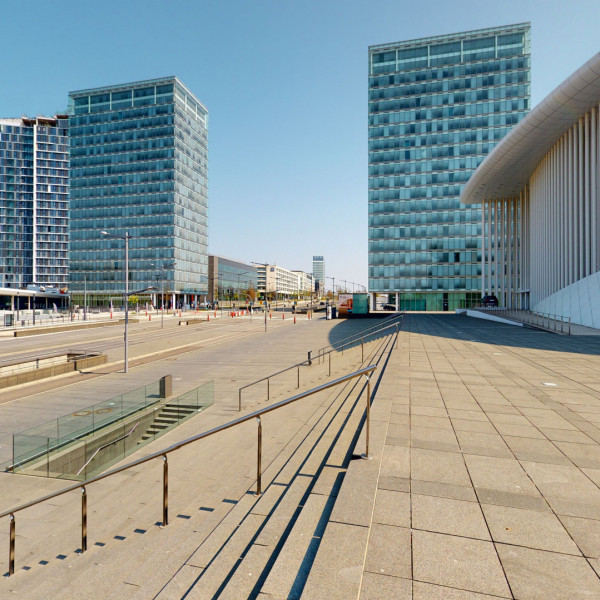
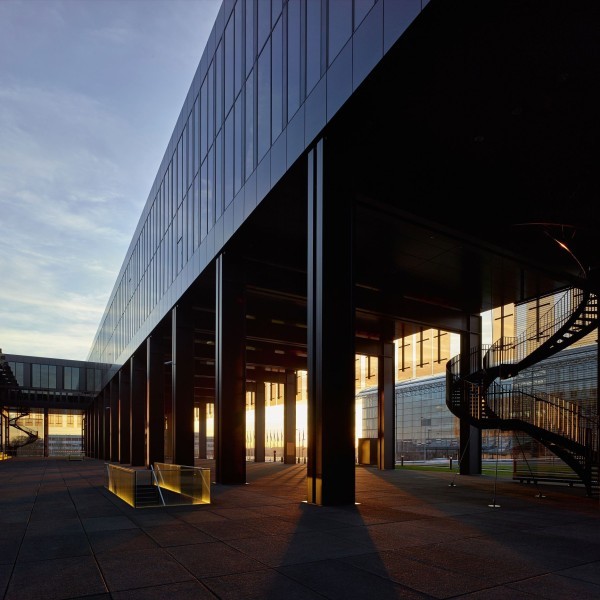
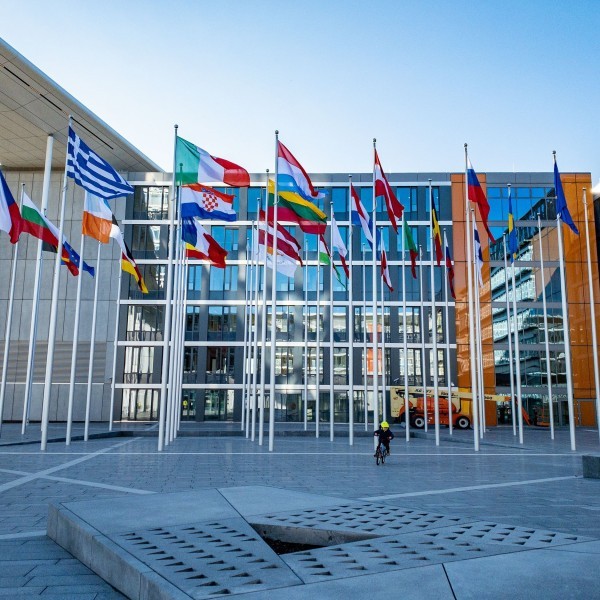
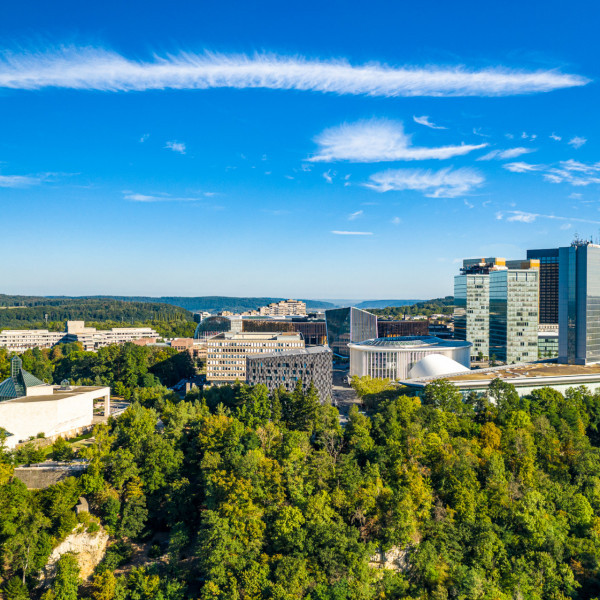
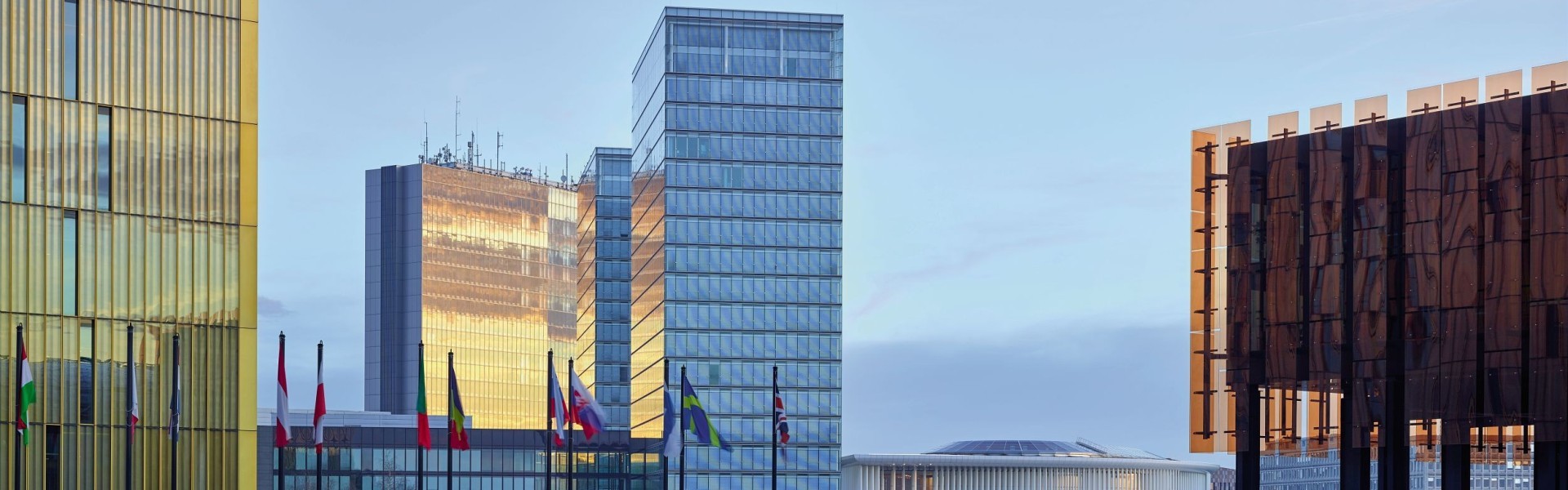
The tour offers a unique perspective on both historic and modern districts. In the European district on the Kirchberg plateau, you’ll explore key institutions of the European Union, including the Court of Justice of the European Union, the European Parliament, and the European Investment Bank.
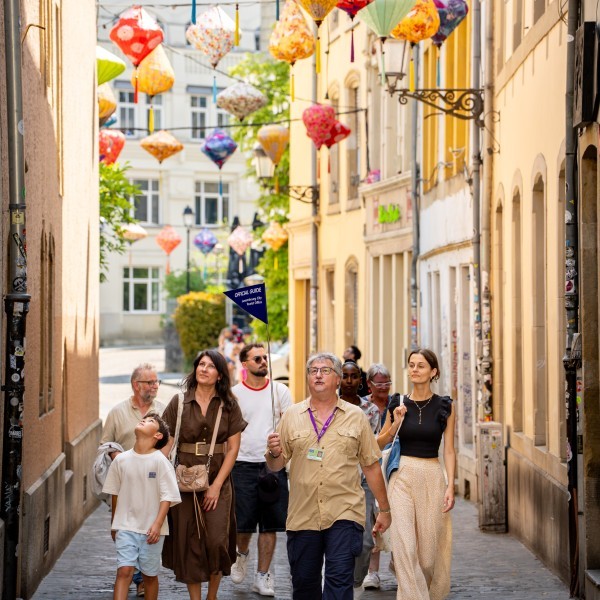
Over the course of three hours, the tour also takes you through the city centre to the sites of European unification in the mid-20th century: this is where the idea of a European Coal and Steel Community took shape, where the first administrations had their temporary headquarters, and where European history was made.
Duration
2 or 3 hours
Number of participants
Max. 20
Languages


Infos
Start
Luxembourg City Tourist Office, Place Guillaume II (Ville-Haute)
Arrival
Place de l'Europe (Kirchberg)
This applies to 3-hour tours only
Price
Book your personal guide:
Group of 1 to 20 people : from 150€
Book a guided tour for your group at the date, time and in the language of your choice.
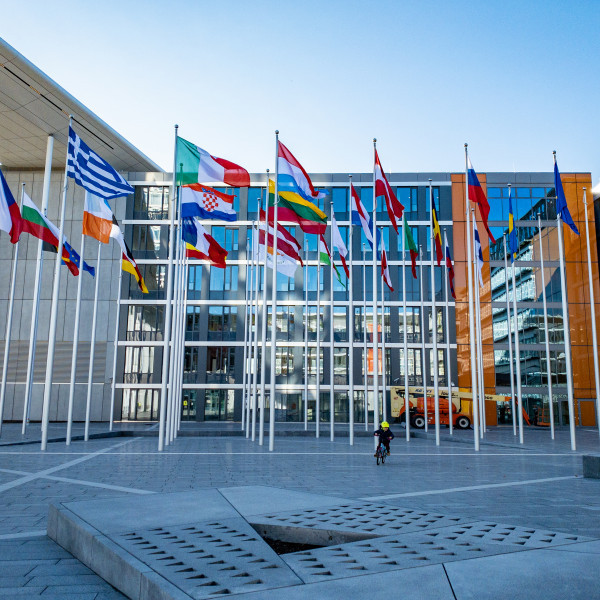
European Court of Justice
Luxembourg is the headquarter of the Court of Justice, the role of which is to ensure that EU law is interpreted and applied uniformly in all Member States. To this end, the national courts can also r...
EU Parliament in Luxembourg City
The Konrad Adenauer building in Kirchberg houses the European Parliament's General Secretariat, which is responsible for coordinating legislative work and organising plenary sessions and other meeting...
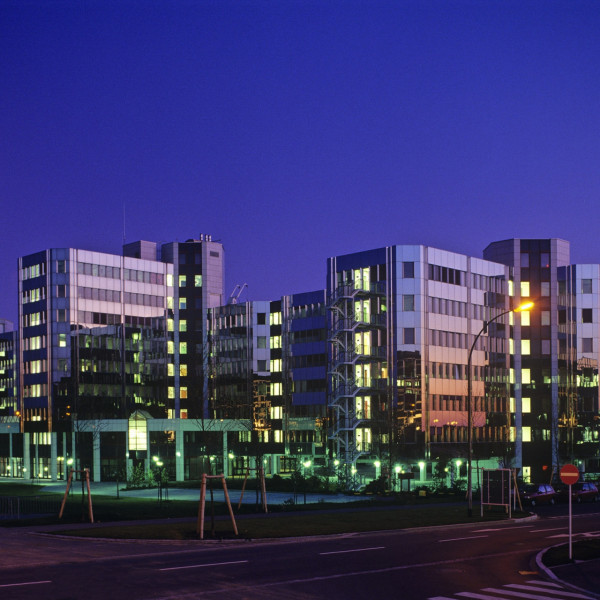
EU Commission
The European Commission is also known as the engine of the EU.All proposals for laws, political action or programmes are made by the Commission. As "Guardian of the Treaties" it ensures, together with...
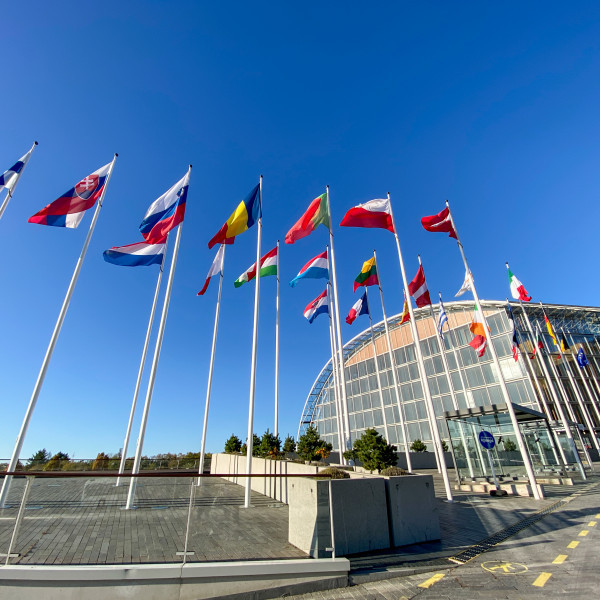
European Investment Bank in Luxembourg City
The European Investment Bank (EIB), the banking institution of the European Union for long-term investments, has been founded in 1957 by the Treaties of Rome. The building is the work of the English a...
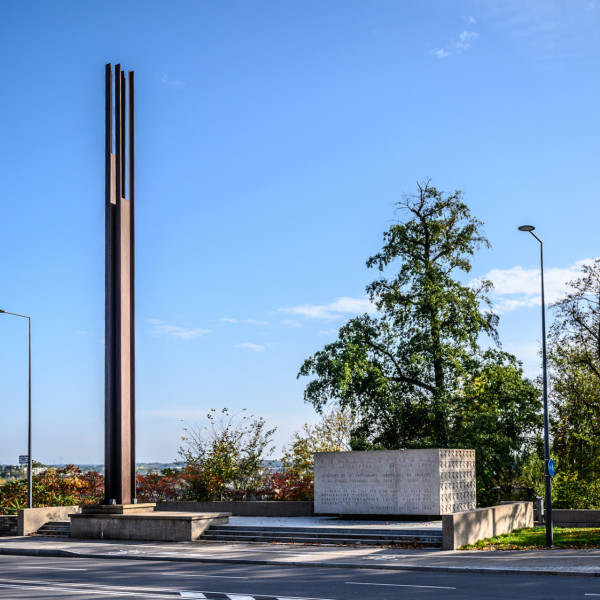
Monument Robert Schuman
Designed by the Luxembourg architect Robert Lentz, this historic monument was unveiled in 1966 and consists of three steel-girders ending in 6 spikes.The latter represent the six founding st...
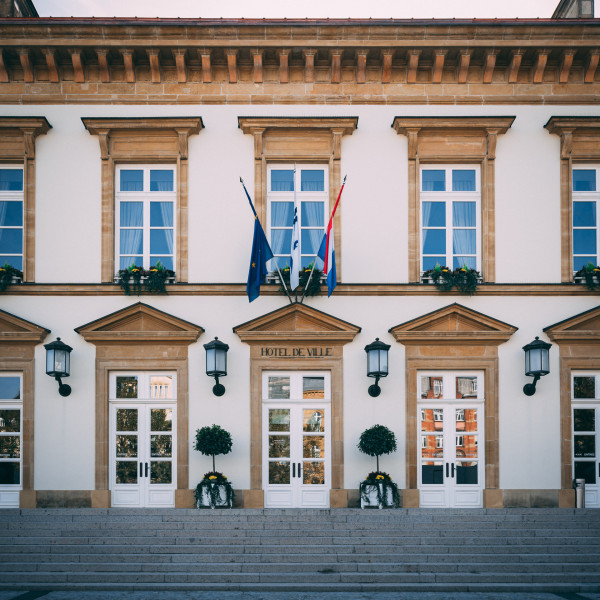
Town Hall
Located on William Square, it was built between 1830 and 1838 in neo-classical style. The stones of the old Franciscan monastery, dismantled in 1829, mainly went into its construction. In 1931 two bro...
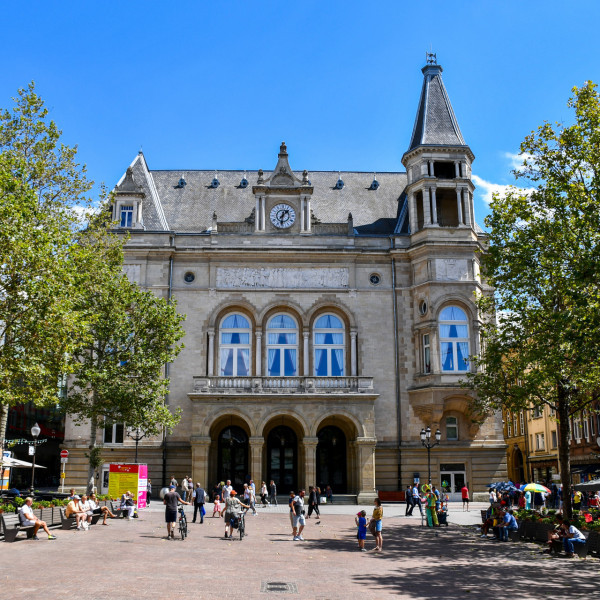
Cercle Cité: City Palace
The generally named Cercle Municipal is an administrative building with several festival halls. From 1953 to 1969 the European Community for Coal and Steel used it as a venue for meetings and conventi...
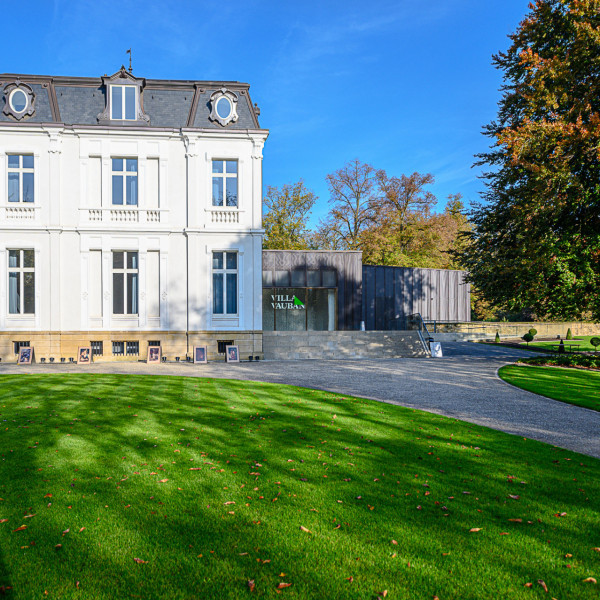
Villa Vauban, Luxembourg City Art Museum
The Villa Vauban was conceived to emphasize the historical character of its collections, consisting of art works acquired by wealthy private individuals in the 18th and 19th centuries.The Villa Vauban...
Points of interest on the map
Luxembourg, European capital in pictures