


Hollerich
Hollerich is located in the southwest of Luxembourg City and is one of the districts where the development of the capital can be particularly well observed. Industrial heritage, educational institutions, green spaces, and large-scale urban development projects shape the character of this versatile neighborhood today.
A district in transition between industrial heritage and new quarters
Hollerich was first mentioned in historical records in the 10th century. In earlier times, the area was shaped by agriculture, quarries, and lime kilns, which played a key role in the local economy. A major turning point came in 1859 when Hollerich received its own railway connection. With the railway, industrial, commercial, and business enterprises settled in the area, including larger companies such as the tobacco manufacturer Heintz van Landewyck. This development marked the beginning of a period of rapid growth that significantly changed the district.
In 1920, Hollerich was officially incorporated into Luxembourg City and developed over the 20th century into an urban district with mixed uses.
Urban Landscape, Education, and Green Spaces
Today, Hollerich is characterised by a diverse mix of buildings. Former industrial sites, residential houses from different periods, office buildings, and public institutions are located close to each other. A prominent feature is the Campus Geesseknäppchen, which houses several secondary schools, the International School of Luxembourg, and the Conservatory.
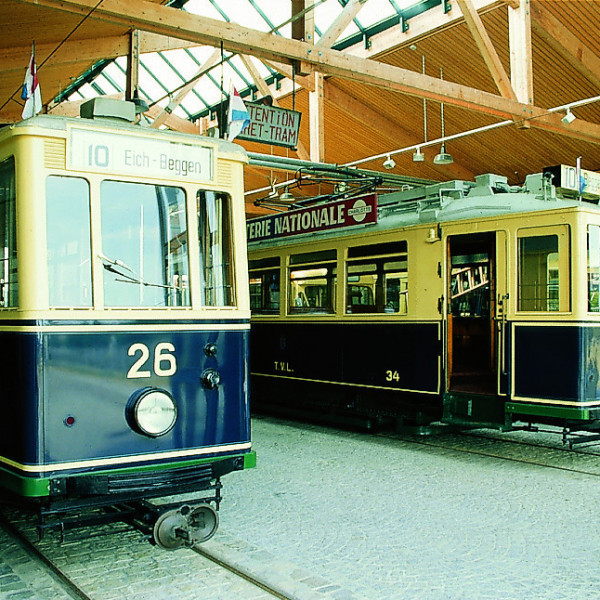
Hollerich also provides direct access to several green spaces. Notable examples are the Parc of the Pétrusse Valley, stretching along the river of the same name, and the Merl-Belair Park, offering paths, water features, and open green areas. The Tram and Bus Museum is a special destination for those interested in technology and transport history.
Culture, City Life, and Transport
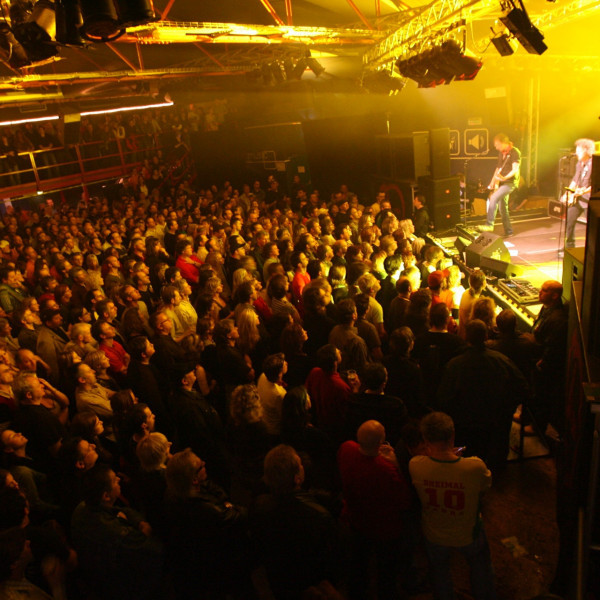
Culturally, Hollerich is best known for the concert and event venue den Atelier. The former industrial hall is one of the country’s main stages and regularly attracts national and international artists. Along Rue de Hollerich, numerous restaurants and bars shape the evening city life.
For visitors arriving by car, the P&R Bouillon is an important parking facility with good bus connections to the city center, offering a convenient way to park outside the city and continue by public transport.
New Developments: Nei Hollerich
With the urban development project Nei Hollerich, new urban structures are being created on former industrial sites. Planned are residential areas, workplaces, public facilities, and generous green and open spaces. The goal is to create a well-connected district that links existing neighborhoods and provides new places to live, work, and spend time.
How to get there?
Clausen is easy to reach by car, public transport, or on foot. Luxembourg City’s bus network connects the district regularly with the Old Town and Kirchberg. From the Upper City, you can reach Clausen within minutes via scenic footpaths and bridges
By car:
Find the best parking for your stay with our Luxembourg-city parking guidance system.
By public transport:
To go around the city, check out www.mobiliteit.lu which offers live and practical information on public transport in Luxembourg.
Useful information: all buses, trams and trains within the country of Luxembourg are free of charge for citizens and visitors alike.
Photo gallery


