


Bonnevoie-Sud
Bonnevoie-Sud is a district in the south-east of Luxembourg City that is well worth exploring beyond the city’s main sights. It presents Luxembourg as a city shaped over time, where history, everyday life and surprisingly generous green spaces come together.
Historical traces in the urban landscape
The origins of Bonnevoie-Sud date back to the Middle Ages, when a Cistercian nunnery was located in this area. The development of the railway network in the 19th century marked the beginning of its transformation into an urban district. Street layouts and a number of historic buildings still bear witness to this period.
A notable landmark is the Church "Marie Reine de la Paix", built after the Second World War. It commemorates the destruction of the war years and the subsequent reconstruction, and remains an important feature of the district today.
Gardens, parks and paths into the Alzette valley
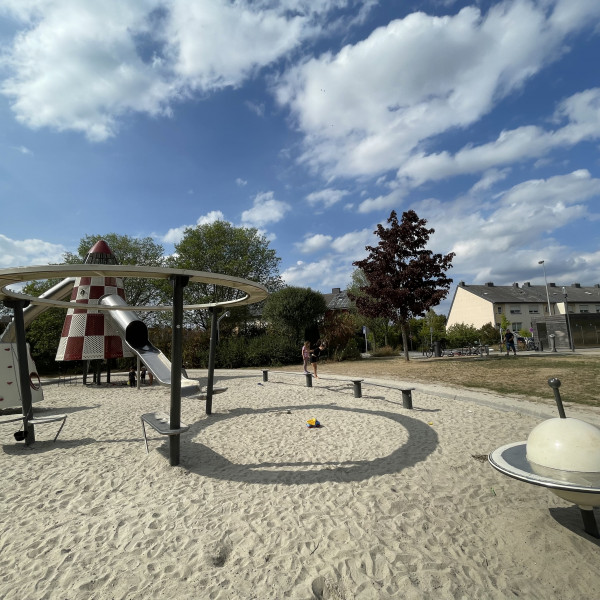
Bonnevoie-Sud offers several green retreats that can easily be included in a leisurely walk. Kaltreis Park is a central meeting place in the district and provides a pleasant spot for a short break outdoors. Nearby, the Kaltreis community garden, cultivated by local residents, offers insight into urban gardening initiatives.
At the southern end of rue Anatole France, the Bonneweg allotment gardens create an unexpectedly rural atmosphere. They also mark the transition from the dense urban fabric to the greener areas along the Alzette.
From here, walking paths lead into the Alzette Valley, where riverside trails and quiet routes invite relaxed strolls. The valley offers a distinctive blend of nature and city life and provides a welcome escape from the urban bustle.
Places of calm and everyday life
Another peaceful site is the Bonnevoie municipal cemetery, one of the oldest in the capital. With its historic graves and mature trees, it is both a place of remembrance and a tranquil space to pause.
Culture and local life
Everyday life in Bonnevoie-Sud is shaped by cultural diversity. The influence of different foreign communities is particularly visible in the district’s restaurants, cafés and small shops. The "Kasemattentheater" is a well-established cultural venue, hosting regular performances and events.
How to get there?
Clausen is easy to reach by car, public transport, or on foot. Luxembourg City’s bus network connects the district regularly with the Old Town and Kirchberg. From the Upper City, you can reach Clausen within minutes via scenic footpaths and bridges
By car:
Find the best parking for your stay with our Luxembourg-city parking guidance system.
By public transport:
To go around the city, check out www.mobiliteit.lu which offers live and practical information on public transport in Luxembourg.
Useful information: all buses, trams and trains within the country of Luxembourg are free of charge for citizens and visitors alike.
Photo gallery


